Proustian Chronicles: The End of a Volume


I recently finished reading Swann’s Way, volume one of seven in Remembrances of Things Past or In Search of Lost Time. That volume is 600-something pages. I’m reading a guide at the same time. After each volume, I’m comparing my thoughts with the verdicts delivered by the reading guide. That isn’t exactly the best way to get the most from reading this but as the preparations for reading more literary work. I have my eyes on IQ83 by Haruki Murakami.


That’s a long way away or maybe sooner than I think. Anyway this is a summery/reaction to Swann’s Way and the reading guide the group’s using, Marcel Proust’s Search for Lost Time: A Reader’s Guide to Remembrance of Things Past by Patrick Alexander. The book is divided into three parts. The Overture, Combray, Swann in Love, and Place-names: The Name.


The Overture is a real bore in my mind. There are a few interesting tidbits in there, but forty pages seems overkill for a waking up sequence. It’s long but effectively primes you for the writing style you’re likely to experience. Brevity is a tad more important later on. It never reaches the expectations of today’s rapid gratification.


Combray is the memories Marcel has of his childhood. It details his experiences of visiting his ailing Aunt Léonie in the summers. There’s a lot there about his childhood desires and experiences. The guide refers to Combray as one of best childhood experiences in a novel of this era. Reading through, I noticed a few things. Marcel is ailing from some mysterious condition which I suspect is just getting colds that are quite severe. That sickness reduces his activity considerably. Still, he’d much rather stick his head into books. Marcel attributes good qualities to people he likes and people he would like to be like down the line. These memories Marcel remembers were triggered by eating something he enjoyed in those summers, lime tea and madeleines.


I like to think Marcel and I would be kindred spirits if we ever met. That makes me feel good, and that’s reason enough, but there’s more. I have Duchenne’s Muscular Dystrophy, and that enabled me to distance myself from peers. In addition, I loved reading. That love is what got me into writing. Then, I wanted to be like those charismatic people who can entertain an entire room without breaking out in sweat and make people like them. And I remember my past history to a similar extent. I think we’re pretty similar.


Swann in Love was my favorite part of Swann’s Way. According to the guide, it’s the closest that Proust gets to traditional story structure. I agree. There’s a beginning, a middle, and an end. Swann meets Odette. He doesn’t commit right away. Then, he’s in love with Odette. Swann gets jealous. He asks too many questions and finds difficult answers. In lack of love, he tries with another woman. That’s the plot of Swann in Love.


The beginning of this part was the first time I loved reading this book. It makes me a little sad that the other sections won’t follow the basic plot structure. And a theme of this book is love leads to jealousy. That’s true. Love always comes with some unwelcome jealousy as a bedfellow. That’s especially true if you have abandonment and anxiety issues. Jealousy can make love sweeter by contrast. Working on your self-worth might reduce these issues. Surely possessiveness makes the jealousy worse. That’s a theme in this book that bugs me. Any number of themes bug me, so that’s basically a given with anything I read.


Place-names: The Names wraps up everything. It cross applies the lessons learned in the previous sections of Marcel’s young life in Paris. Then, it echoes the fact much more is going to change.


Each section is like a novel in its own write except the transition sections: Overture and Place-names: The Name. That’s not the way any book is organized these days except memoirs. Because In Search of Lost Time is the very first memoir as far as I know.

 

rob-mulally-123849
Photo by Rob Mulally on Unsplash.


That method isn’t acceptable in fiction these days. I know it’s not fair to Marcel Proust, his many fans, and the English literature community to compare a book written something like 120 years ago to stories these days. That comparison is of paramount importance to current writers of fiction trying to learn from Proust. What elements of Remembrance of Things Past can be used to write fiction in the time we live in now? What elements won’t work? For example, putting two storylines in one piece of fiction. They need to smoothly merge from one to the other despite section breaks. Some things can end and be picked up later but never left hanging forever except at the end. Simultaneous story lines are permissible if they’re all pushed together.


I read an example of that recently. Drinking Coffee Elsewhere by ZZ Packer. The title is uninspiring to me, but the writing is top notch. That story artfully combines numerous storyline to create a synergy more powerful than any one alone. For an example to a story continuing through section breaks check out The Amazing Adventures of Kavalier & Clay by Michael Chabon.  That’s the best example I can think of off the top of my head.


I didn’t get to my conclusions matching the guide: 4/7. That seems pretty good for a start. I’ll get better by the end of this.


See you around guys.


GK

subscribe button

Cover photo credit: Photo by Dan Freeman on Unsplash.

Misguided Bais?


The mirror-like surface of the water stretches out a few feet below me. My tawny white wings glide across the steady gust produced from just above the surface. Miniscule adjustments steady my course. Wings trail each arm, outstretched to capture any available lift. The end of each crowned with solitary feathers sticking out as if fingers. I resume my mission to vanquish the mad blight on these lands.


I work my way up with effortless strokes of my mighty air movers. These wings move forward slicing through the smooth air for lift. My wings slide back through the air, facing the sky. The rhythmic motions prove efficient from years of traveling on the air. The fluid motions start at the base and move through its length each stroke. I retreat from the restrictive landscape to my home within the wide sky. Everything shrinks away showing me what there’s below. The fast flowing river nestled inside the river valley of its own creation. The V-shaped valley carved over many eons gave rise to valleys for the helper rivers. Each inset valley ends in a waterfall, continually working to deepen the efforts of erosion. I drift over to the black stone bank to catch an uplifting current. I glide in a spiral within this elevator shaft.


My constant vigil holds for the archenemy of the Doves. The Ravens, a vile race of winged carrion eater, will to devour anything that matches their vile nature. In the rare chance they are looking for a hunt, our food is the target. Anything between them and their hungry desire trampled as is the way of the Raven. These foul creatures run amok in their own lands, any encroachment into the border greeted with lethal force. It stays within my full rights to eradicate any Raven that crosses my path. I intend to reap revenge for all the wrongs committed by them. The consumption of our dead cannot go without consequence.


The “caw-caw-cawing” erupting from the throat of one such trespasser pierces the air. Those Ravens get bolder in their actions with each passing day of peace. I look out searching for the source of that latest vocal outburst. The lair of this enemy assumes a nature unmistakable in these river valleys, a tunnel at the back of a waterfall leading to a second exit. Any sign illusive but I see it now. The sight of black beak and feather, the blackness of an unscrupulous eye gazing at me verifies enough. I exit the upward spiral to meet these Ravens in their fortress.


The maneuver in this case, well rehearsed to deal the most damage, of such precision and speed it relegates defense to impossibility, at least. I increase the strokes to generate a fearsome wind at my back. The speed flattens my feathers against my flesh. The protective coverings shield my eyes from whatever awaits me. Just reaching the fall acts as my cue to begin the flightless roll. My arms, enshrouded in wings sealed against my sides. The tail feathers strapped across my legs leap into action controlling my spin. The water showers me in the cool refreshing wash, preparing me for the necessary action.


The start of combat slows every otherwise fast movement to snail’s pace. I look up to see eight of those hideous creatures dirtying the pristine white stone. A compliment of eight throwing knives and two cutlasses fit to dispatch these foes. I spin to see the first looming figure standing there. A flick to the wrist liberates the knife from its holster and sends it into the crow. I see the white of marbled stone. The next villain faces the knife as easily as the last. I wonder why they aren’t following their namesake of attack. They remain motionless prey to my predation. The next one takes another flick of the wrist, a reaction from within the solemn guard. They move in closer to my path, allowing me to pass. The sinister plan of defense starts to emerge. The next Raven quakes down with a hit to the throat. My perfect feathers take on stain of the deep red blood from my attacks to throat and heart. The sticky, sickly liquid forms a restrictive barrier upon mine own feathers, hindering movement. The next two impede, impossible to miss. The shells of dried blood encase me to greater and greater disability. The hesitation on my part allows the first defensive action, the blockage of my knives by wings. This measure is far from effective due the delayed response and the purely defensive maneuver. My doubts creep up that I’m the aggressor in this situation. My attack must continue for my people.


The crowning room of this base resides, the nesting room. The clutches of the eight males outside lives inside. One female stands vigil as all that’s left of this site, an oval room encrusted with countless dozens of multicolored eggs. The female waits for me at the rear exit. The cutlass from my side lands upon my breast, ready for action. My limited motions enable plunging a narrow blade into the breast of the final Raven. Her mass and bulk puts an end to my twirling and sends me into a summersault. I break through the glass barrier at the second exit and descend into the dark chasm in my entombed feathers. The hollow prison of my blood and theirs follows as penance.


GK

subscribe button

The 1,200 Word Story


I’ve been thinking about how to write a piece of flash fiction. How to fit the components of a story in 1,200 words? I accidentally write 250-500 word stories. I have no intention of writing a particular scene as a complete story. Those short story paragraphs are in the middle of a longer piece. That actually works really well. If each scene has all the parts of a story, then multiple scenes build a longer piece.


Learning about this length of a story, 1,200 words should help my story writing a ton. It’ll help me find the essential parts of a story. What can be left out, and what can’t. It’ll teach me more ways a story can go. And writing that word count should take me a day to type out. That’s how I learn best. I closely study things related to my primary goal. Flash fiction is so close to novel writing, we’re splitting hairs. Most writers practice with short stories before getting into longer things. I also want to get published somewhere. This new skill will help.

wp

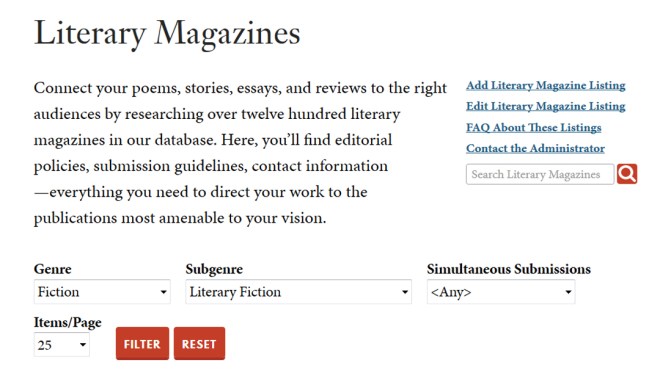
I was researching literary magazines for somewhere to send my future short stories. That means, for me opening tabs in my browser of potential magazines. I screen through for criteria the precludes a few things that aren’t feasible for me. I’m not happy ordering a print copy because that’s difficult for me to access. I’m not sure about ordering digital versions from providers with worrisome persistence. If a digital service shuts down, it’s possible you lose access to everything on there. That means publications with a few free examples. At first, I was going through the list at Writer’s & Poet’s. Then I found a list for new writer’s. All those tabs are open in my browser.

New Writer Magazine

I add each to this spreadsheet I keep. That includes the description of what they want and submission guidelines. I read through two pieces and a lot more if they’re shorter. I started researching The Zodiac Review. It’s just flash fiction. I’ve come across a lot of magazines that accept flash fiction. Given the fact that the majority of the short stories featured on Radical GK are less than 1,000 words, it should be pretty easy, right?

excel

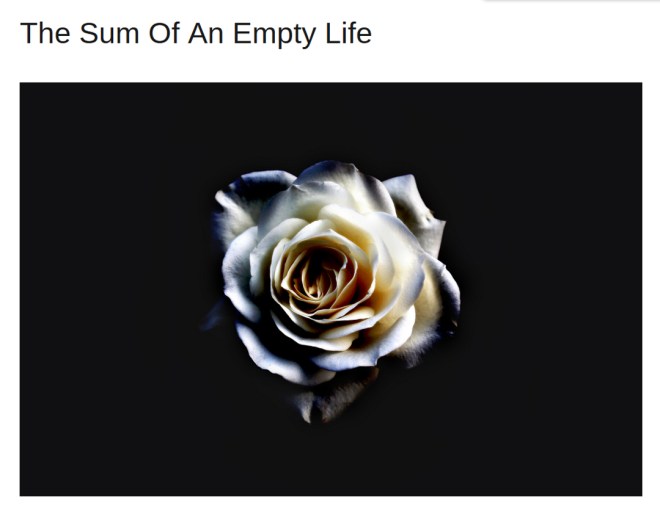
Well, it’s not. Those stories aren’t exactly complete. Those were designed with emotional impact in mind. They weren’t supposed to be stories in themselves. And they bear that out. The writing is lyrical but too difficult to understand. Look at The Sum of an Empty Life. About 13% in, C decides to wait for Brian Whalen. That’s the first plot point which is supposed to happen 20-25% in. The second plot point is C walking away with Brian’s briefcase. That happens 44% through the story. That’s nearly right. The part where C figures out the combo is the third plot point. That’s 79% in. The fact I wrote that story two years into my writing journey is amazing to me. I had absolutely no idea what I was doing. The story structure is nearly spot on.

life

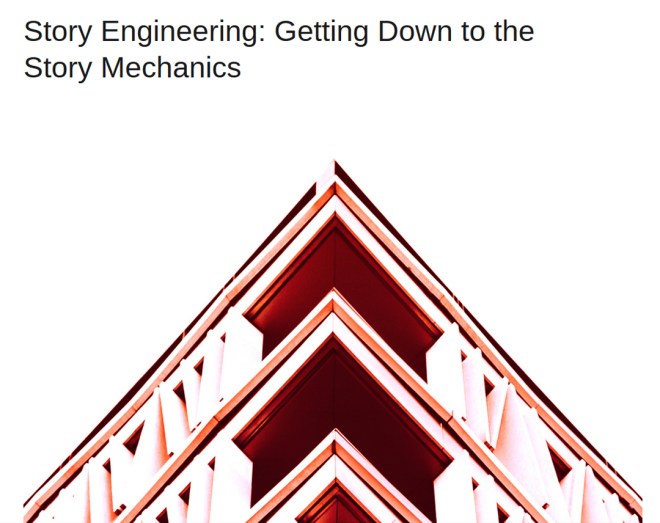
I didn’t come prepared to write this post. That simply means I’ll discover something in the process. The last paragraph planted an idea. Maybe I should just forget about everything I learned in Story Engineering by Larry Brooks and return to the way I used to do things. Just maybe.

story-1


Anyway in my research, I found a few ways to tell a story in 1,200 words. There’s this much longer piece (The Watchers). It feels like that method could be brought over to this. You list the scenes with a break between each scene. That could work, right?

sequence

Some story lines are better for that method. If the story is done so much that the reader knows the sequence of scenes. If it isn’t scene after scene in rapid succession. Some time can pass between each scene. For example the development of PTSD in soldiers. It usually isn’t one event (scene), but a long series of stressful events. If the sequence of scenes isn’t all that important, or the sequence of scenes doesn’t matter. For example the story of going from place to place, a travel story. Establishing the connections between scenes is tricky. And the reader is always searching for how much time passed between each scene.

Zodiac

There’s this other story (The Game) that uses another technique to tell flash fiction. I call it the slow reveal. It combines story with exposition. That works well when one event exemplifies a continuing pattern. I’ll provide an example of my own below. As the indicative event takes place, exposition adds the missing plot points on their time cues. The plot points can come from the exemplifying event or the flashbacks to the continuing pattern. In the piece I linked to, the first plot point is the generalization of what usually happens (20% in). The second plot point is how they act towards each other, the protagonist and his competition who is also his friend (53% in) Then the argument about who won (77% in). That matches the established structure nearly to a tee. That’s the structure from Story Engineering. I have another shorter example from this blog I follow.

second example

The last technique is the obvious one, writing it like a regular story except having the transformation happen in one scene. Like when a battle turns into a win. What happens is the enemy heavily bombards you. A new enemy weakness is discovered, and you defeat them. That isn’t too difficult.


1,200 word stories need a plot that works with the length. Too complicated, hard to explain plots are much harder to get across in the limited space. More nuance can be achieved with the second technique, the slow reveal.  That’s using one event to establish a pattern of behavior. That kind of feels like cheating to me.


A story needs to do a number of jobs in sequence as Story Engineering taught me in definable terms. Here’s the list from memory. Gain sympathy for the character from something bad happening. Establish the character or stakes. Basically the before state. Then the character decides to take the quest which is the first plot point. The character responds to what the choice brings. The character finds something internally or externally that allows them to face the conflict, second plot point. They fight against the conflicting force and lose. The character finds the missing piece to success and the will to do anything to prevail, third plot point. The events play out, enemy defeat or character dying in the process. That story I divided into plot points above shows there are many ways to fill those requirements. Accept the challenge, get permission to engage, and proof they will do anything to remain friends. You can combine those requirements anyway that works into different scenes as long as the sequence doesn’t change. That means anywhere from one scene on up.


This is an example plot. Abuse story: woman is abused, entering relationship flashback, hiding bruises at work, buying a gun flashback, trying to talk about it with support person, returning home hoping he isn’t there, pushed to the ground changes her mind to kill him, murder then admitting to self-defense. You could easily replace any of those scenes with anything the fills the same purpose.


Hiding from abuser, has to return for belongings, friend doesn’t show up so leave, buying gun/pepper spray, return to get stuff and defend, stalking causes restraining order, face him with gun, run away/disappear.


Fear with partner, abuse cause visible symptoms, run away, abuser follows and finds, ran away after facing enemy, finds new partner, kill abuser together, live free from suspicion.


All of those work. A different method perhaps, but it’s doable. Those are my explorations of 1,200 word stories. The plot has to specifically engineered to fit the constriants of the length. With novels, any story can fit. A focused story is required for shorter formats. That’s everything I have to say. Feel free to add more in the comments below.


Coverphoto credit: Photo by Andre Benz on Unsplash


GK

subscribe button

Things I Screw Up in Writing

how the write

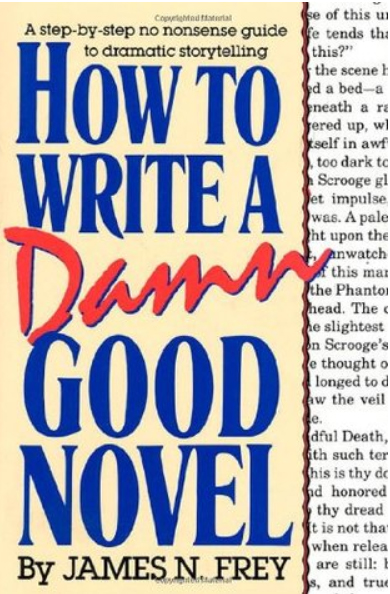
I finished reading How to Write a Damn Good Novel by James N. Frev. It gave me things to learn I frequently ignore. A few tips redefined a few things like what to explain and what to leave out. The book is about writing dramatic stories, not the literary I frequently write. My literary pieces have a strong dramatic storyline and a deep internal conflict. The lessons learned are invaluable in improving my writing.


low res final
Photo by Matthew Kane on Unsplash.


The character must be fathomable. Explain their motivations, character attributes, and decision-making process. My writing process directly opposes this requirement. I establish a new thought pattern in my head to match the character I’m writing. That’s only possible because I’ve spent nearly a decade and a half mediating. Acting out physical traits isn’t something my diseased body is capable of. That mental model is as close as I can get. Thinking like your character makes the motivations, character attributes, and decision-making process apparent and self-explanatory. It should be second nature. Stuff that doesn’t feel wrong as that character. Everything except that particular action feels wrong. Putting that on paper isn’t tricky at all, except I never know how much to put down. This book helped a lot. Include everything required to understand the characters.

dark matter

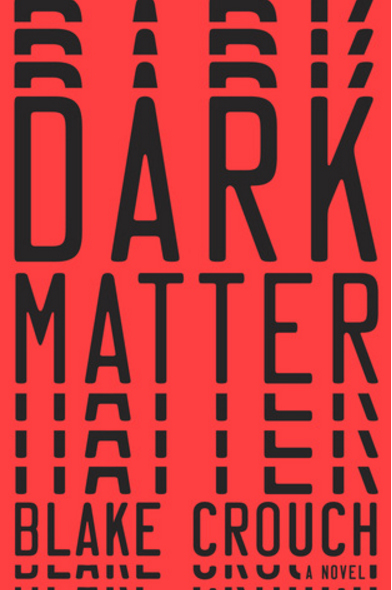
Each scene should be a story in its own right. The scenes should have all the pieces of a story. A beginning setting up the conflict. A middle of rising tension. Finally a build up to the conclusion. When a book has that it’s difficult to stop reading. A perfect example is Dark Matter by Blake Crouch. It followed that pattern. Each scene was a story in its own right.


https://www.youtube.com/watch?v=J03hXfqRfy8


There needs to be a connection of causality between scenes. Watch this, the best discussion on causality that appears in a feature film in my opinion. The events must require the events prior to lead up to them. A connects to B, then C. The web of causality must connect from one to the next. Again this is exemplified in Dark Matter. Of course, literary novels frequently forgo that rules. But getting things in line helps to justify those tangents literary is famous for.


Dialogue should also follow the structure of a story. No conflict in dialogue means it can be rewritten or scrapped. Standard conversations we have every day can easily be reduced to one summarizing sentence. We talk about this or that.


Sometimes things go down. You come away reeling and need to spew everything to someone you trust. Those are the sorts of conversations dialogue should be. I noticed that in my first novel. The lunchroom conversations were boring to read but the arguments were impactful. Leaving out the daily dribble of conversation helped my story beyond measure.


Reading How to Write a Damn Good Novel and Dark Matter in a basic requirement for any writer. The theory expressed in the book about writing is exemplified in Dark Matter. Read both and get back to me. Kidding.


Cover photo credit: Photo by Baiq Bilqis on Unsplash.

Photo enhancement and editing by me.

GKsubscribe button

Work and Life in Balance


Boss as overseer and employee as peon are all in this together, mutual benefit for shared work. Whether one does the work and the other does none, the cycle continues in perpetuity. Hamsters peddle away at infinity wheels, like all of us. The one reprieve remains time away discussing the futility of work for naught. Work grows to a necessary evil for all dreaming to the goddess of the American dream. I and my would-be lover in better times, now puerile crush talked over plans. The joke of a thought to me Nick, but in truth my secret love’s, lost desire come true. Some connections gift everything we need to dismantle our corporate overlords. With the plan devised, Irena became mine to take. Together we do this and forever be as one. Irena in truth drags me where I daren’t go, and I become the destroyer.


I swiftly move around my floor of the Stephens Institute, using the ability to see through the darkness all around. Cam footage verifies my comprehension of the situation as a black cloudy streak, nothing else indicating my presence through space. After roaming without a set goal, I dart towards the heart of the building and the way down or up. The door opens in anticipation of my entrance, responding to my thoughts and B3 awaits, my destination on this little undercover jaunt.


I wait complacently for my arrival within this cloak of darkness, enshrouding the entire space housed within this vertical moving chamber. Once there, I duck into a nearby room to complete the mission. My black suit bristling with explosives prepped for commencing the destruction I initiated by my very acts. Unloading my arsenal upon the walls of this hollow predicates a hasty retreat to the research department — pursuant of escape unscathed and suspicion free.


The elevator meets my needs as before, facilitating an unremarkable trip to the sixth floor. Moving with purpose through the hallways, the central space of the research division, delivers the induction lab, my final refuge prior to retreat with flames. I run into the open doorway, jump into a roll, and land comfortably in the patient’s empty bed. The room (indoctrinated by shadow cloak) is the place I wait, twiddling my thumbs to pass the seconds/minutes.


A white tendril of light enters the sanctity of my lair, harboring a sleeve-collared hand inside the ever-expanding white light. I grab it with satisfaction and relief as we take off running to the escape route, our ally, soon to be betrayed. The moving room fills with a mixture of white and black form our respective dust suits celebrating the final, end all trip for this building. I look at her, and she looks back with trigger in hand ready for this. We nod together, signaling accomplishment of parts in a two-pronged attack scheme, albeit from clandestine. The carefree, jubilant race through the lobby ends haltingly at the getaway car. Pounding arteries, epinephrine filled, arc with electricity through reluctant parting hands with no other recourse to board the getaway.


The agreement to trigger our preparations unleashes brilliant fireballs from the lobby and roof. The fiery plumes stark in the diminishing light of late evening, punctuate our time together at work.


The two of us move out of the city to the northern mountainous region, the furrowed terrain surpassed with no hesitation. We near the end of our journey, the upper outcrop of canyon overlooking a lake at sunset. We are jubilant with our victory and ourselves, planning our next move, the future, and all that. The dust suits presenting a plague in these conditions, necessitates removal of our masks. It is me and Irena, in her black, asymmetric hairstyle, the last guardians of data destroyed in flames. We embrace each other in warm affection, our dust clouds swirling together.


GKsubscribe button

Memoirs, Writing Fiction, and the Difference

Memoir is really very similar to fiction in how it’s written. They both follow the same structure. Events are organized in the framework of a story. The flow isn’t interrupted to preserve the totality of events. Things that pertain to the story being told are included. Everything else is left out. Fiction is an additive method. Memoir is subtractive. You take a subset of everything you remember and from that into a cohesive story. Events are picked from a multitude of things that actually happened.


This selection of events is apparent in movies based on true events or a dramatization of the truth. Take for example, Steve Jobs. I’ve watched three versions of Jobs’ life. First, the biopic starring Ashton Kutcher, Jobs. Then the factual documentary Man in the Machine. Finally, Steve Jobs directed by Arron Sorkin and starring Michael Fassbender.


Each movie had a different angle. Jobs was about Jobs getting ideas and using them to be the best. Man in the Machine is trying to be as unbiased as possible. It was the most balanced but tried to talk about the relatively unknown things about Jobs. Steve Jobs was controversial in its directorial and writing direction. It omitted his accomplishments for the most part and focused on his relationship with his daughter, Lisa.


All in all, the based on true story movies tried to make Jobs relatable. And the perception of Jobs was he wasn’t approachable. He was a strict, straight to business type of guy. He had stringent expectations and expected them to be met. He was thought to be the driving force behind Apple’s success. Each movie took a different approach to humanize and create a connection with the audience. Sorkin focused on Jobs’ personal life and matched it to Apple’s performance/Jobs’ fortunes. Jobs started us with Jobs as a student that couldn’t really connect with anyone except when he started Apple. Man in the Machine used his relationship with the mother of his daughter.


Memoir and fiction follow the same pattern. First, we see the character before anything starts. Then, something happens they have to react to. Then, they try fixing the problem different ways and fail successive times. Then, something starts working. Finally, the character succeeds, finds something that changes their life forever, and the story ends. This matches the character arc of a fictional story. Fiction adds an external conflict. When the character arc is the main conflict, it’s a literary story.

gone girl

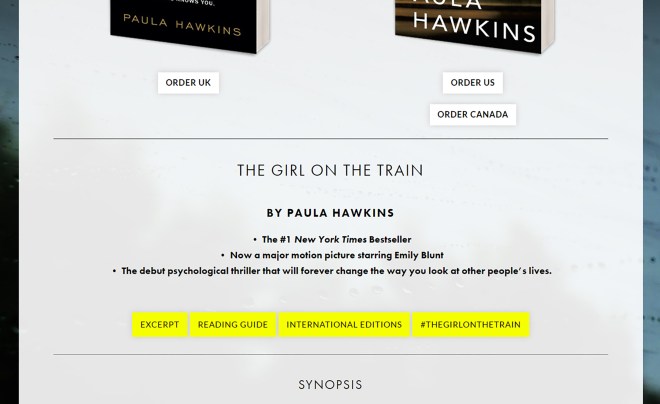
Some recent stories have a strong character arc and conflict arc that are nearly equivalent in importance. Take The Girl on the Train as an example. The character arc of Rachel’s drinking and the central conflict of finding Megan’s killer. Or Gone Girl. The internal conflict is how Amy feels about Nick and the external conflict is Amy’s murder. Adding a strong character arc to a compelling plot brings a story up by an arm and a leg.

girl on the train

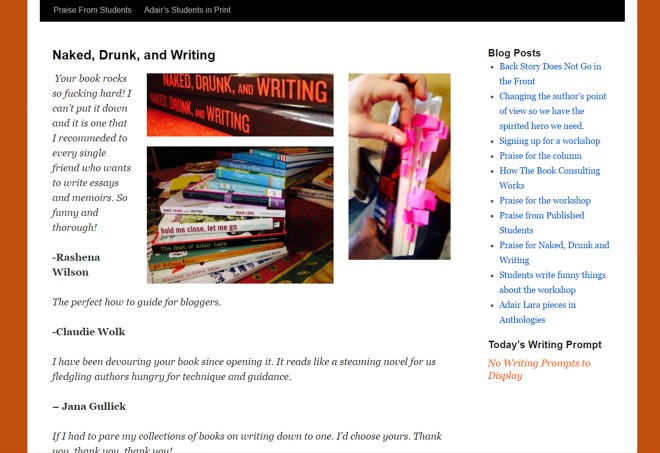
I recently read Naked, Drunk, and Writing by Adair Lara. She is a prolific writer of memoirs and personal essays. She pointed out some key points. You have to be a hero, not a victim. It’s easy in this society and time to feel like a victim. You need a time in your life where you take action. A bad thing comes your way, and you fix it. Getting your car stolen is bad luck. Bad stuff happens. But if you track down the thieves, steal your car back, and you learn how to overcome a debilitating fear of confrontation. Then, it becomes a story that works in a memoir.

ndw

You need to be done with the problem. If you haven’t found a way out, there’s nothing really there. Struggling and still struggling with the issue you want to write about, it is too soon. The writer needs perspective to make a memoir. You need to know the lesson and be detached enough to know what really happened. People read a memoir to gain a new understanding of the human condition. Something that can help figure out life, a little better.


A few things are in the way of me writing personal essays. When I write about myself, the writing comes out snobbish and stand-offish. I have allows been a little showoff. For years, I never knew why I wanted to prove my intelligence. Recently, I found the reason behind it. I have always felt less than everyone else because of my physical limitations. I always felt a little trapped by my condition. My way out and to feel better about being “less”, I try to feel equal by proving my intelligence more than balances out my physical weakness. That realization changed a lot, but I still worry about falling back into old habits.


When I have in-depth conversations about my intense emotional states and the inner workings of my mind, the person on the other end doesn’t understand me. That’s because I’ve never tried telling people even a percentage of that stuff. I have trouble relating to other people. I’ve been anti-social for that long. I’m slowly improving there.


This is an example of a recent conversation where I try to get better at explaining something.

 1 

Recently saw Collateral Beauty. It’s about a father that recently lost his 6-year-old daughter to cancer. He writes letters to Death, Time, and Love and they reply. Towards the end, there was a really emotional scene where he admits his daughter is dead. I actually had tears forming a well in my eyes but didn’t allow any out. I pulled away emotionally.

 2 

Why didn’t you let your tears come? Don’t you think you’re cutting out emotion unnecessarily?

 3

Whenever I describe something in too much detail, it doesn’t make sense. I need to fix that before writing a memoir. I’ll try my usual description first.


Emotional history: Started as a person with normal reactions to my emotions. Feeling them and becoming numb when some emotion became too much. Everyone does that except it isn’t going to happen frequently for most people. For example losing a close loved one. That might happen a few times. Simple sadness was enough to make me numb after a little while.


Then I started to decrease the threshold before I became numb. It worked for a time, and I reached my goal to fit as a male in American society. At one point, I was unable to feel anything.


Then, I slowly reduced the threshold when numbness happened. Through that still ongoing process, I thought I was rediscovering something I lost. That moment, watching that movie, I was in a struggle to stay there and feel. Becoming numb would have been slightly easier. There was a standstill and anything could tip the balance. Something did.


A better image. Everyone has three parts to their psyche. We’ll ignore the superego. There are various names that work for superego like conscience, mother’s voice, God, and hindsight. We’ll ignore that.


There’s a childish side or you at your weakest, id, baby, or the person you would be without an external influence. Then the protector, ego, or what the world made you into. The protector usually acts in small ways. Like covering your face, when you cry. Hiding you away, when you’re boiling mad. Putting on a brave face, when you’re really scared. It basically reacts to what the baby wants and finds a socially acceptable way to meet those needs.


What happens with normal emotions? The protector does those little things. When something too much happens, like the death of a close loved one, the protector says, “Baby, you need some time in your quite room. I’ll be with you the whole time. Too much is going on out here.” You become numb while the baby has some time away from life.


For someone like me, the baby cries bloody murder when something sad happens. Everything is exaggerated beyond the average. A baby like that spends too much time in the quite room. That baby never gets to experience a lot, because a lot of things are too much.


I increased the sensitivity of my protector to the baby by showing the protector more emotional states. Like an abused child, the protector grew more attuned to the tormentor, the whiny baby. Then the baby spends less time out and then none at all.


Right now, I’m dismantling the safe room. If an external threat appears, the deconstruction stops or reverses temporarily. Very similar to the process of growing up.


That’s still a little confusing.


The other part is sharing too much. The vulnerability of it. We’re all scared to sharing too much. That allows the possibility of getting hurt. The more you share, the greater the rejection. I feel like I should share my life’s lessons. I’ve been through a lot. Moving to a different country at five and never going back. My medical experiences that vastly over date my time to 28 years of age. Then the lessons meditation taught me. Finally finding meaning in my life. There is a lot I could share. There might be a memoir in my future. We’ll see.


GKsubscribe button


Proustian Chronicles: Halfway Through Swann’s Way

I’m reading In Search of Lost Time with a reading group from Book Oblivion. It’s supposed to be a really difficult and punishing read at over 4,000 pages. Sentences are frequently massive and sometimes over 100 words long. The sentences are more convoluted than anything I’ve read. It’s a study in difficult to read writing.


I deeply respect the work of Proust. He has deep insights that aren’t frequently explored to this depth. My tastes just systematically oppose the purposes of this book. I have extensively studied how I remember stuff for years. My memory is highly selective, and changing its focus is extremely difficult in practice. I feel I share a lot of things with Proust as most heavy readers do. Add to the fact my life has basically lent itself to me becoming a writer. And the book is about Proust becoming a writer.


malgorzata-frej-4151
Photo by Malgorzata Frej on Unsplash.


Proust’s masterwork is basically a biography/memoir of his life. That was something special around the time it was written. Today, we have memoirs and things much closer to what Proust is trying to do. I have previously sworn off memoirs. I read Eat, Pray, Love out of my pretentious ideas. I will simply read and like something because a great number of others have liked it. I would rather discover things about life from other sources. Meditation is my preference. I have learned meditation without the aid of a meditation teacher. I learned writing in the same way. Garnering insights from others feels a little like cheating. Insights from the art of meditation has a much bigger impact for me. Those insights don’t fade as easily and give a bigger impact for me. Experiencing a trip around the world isn’t the same as reading about someone doing the same.


That raises the question of why I’m still reading this 4,000-word tome. The length of the sentences fills up my head as few books have. The main reason I like reading is it occupies my head space so thoroughly, I can’t succumb to my anxiety and physical issues. Those long sentences needed a slight switch in the way I read. When reading, the brain assemblies the entire sentence from the words you’ve read so far at periods. Long sentences make this reading process doubly difficult if not more. My first day of reading Proust, a new realization struck through my head. There was a trick to make Proust just one tick more difficult than the average read, instead of the three ticks it had been. Think Shakespeare instead of Beowulf in old English. The easy system of partially reconstituting everything read at semi-colons then it became after each comma. Sometimes this doesn’t work. One example so far. I need to figure a way to un-flip the switch of doing it that way.


Reading something difficult makes reading everything else go faster. Reading speed changes with how much you’ve read and how difficult it was to read. I also want to understand what made this book last beyond its publication generation. And I need to figure out how to be social in the setting of a book club.


carissa-gan-341253
Photo by Carissa Gan on Unsplash. Enhancement by Graham Kar.


At the beginning, I was tempted to read it full blast. If I really tried, I could be done in 14 weeks. The schedule the club is on goes for two and a half years. That’s five percent of each volume a week. I have done independent study before and the results were mixed. Sometimes I’m ahead, and sometimes I’m behind. I decided to read when I got sufficient sleep the night before. That’s another thing that readers of this blog should know. Classics put me to sleep effectively. Without enough sleep, I’ll never get through. I’m five weeks behind and finally got back to reading. I should catch up in 14 days. Not too bad.


I feel so inadequate in the book club. Everyone else has an English degree of some sort or the other. I just have a public school education up to a high school diploma. And two AP English classes along the way that are supposed to be equivalent to college level classes. I am trying to fit in with partial success. I’ll learn from the others and will eventually fit in. I’m learning a lot, and it’s fun.


nicolas-prieto-187290
Photo by Nicolas Prieto on Unsplash. Enhancement by Graham Kar.

 

Sometimes I feel we’re over analyzing the book. Maybe the walking route his family goes on isn’t symbolic. Maybe we’re digging too deep. But another spot in the book made me think it was symbolic. I’m too new to this to really know. I’ll watch and observe. That should help to figure this out.


“Easy reading is hard writing,” ― Ernest Hemingway


Sometimes I get annoyed at the overly complicated sentences and the extensive detail to mundane things. I find confusing sentences lazy. But I’m new to this whole writing thing. Maybe those sentences add something I’ve yet to discover. I feel like I’m missing something huge. By the time I finish In Search of Lost Time, I might have this head scratcher figured out.


And I think the book’s theme is time is never lost if you remember what you were doing or learned from the experience.


Title photo credit: Photo by Samuel Zeller on Unsplash. Enhancement by Graham Kar.


GKsubscribe button

The Eternal Feud

Another over-complicated dream sequence for you guys to read. I edited this one down more than the others so far.


I entered a room engulfed in white tile. Dark gray streams of concrete stood still, solidified within the field, ripples and all. Four pictures adorned the entirety of four walls. One profiled a fjord in its depth and security. Another depicted a temperate rainforest abundant in tall trees. Yet another of a glacial lake framed with mountains caught my eye. The blue water of it entered the spider-webbed fissures and crevasses inherent to a glacier. The remaining wall presented a steep mountain top, the sheer cliffs allowing a tenuous foothold for the resident snows.


In the center of the space, a reflective, metal, human-esque sculpture floated up. I went to it. Upon a touch, it transformed into a gray padded body suit. The intricate stitching had a zipper that moved down the side of the neck, ran over the shoulder, across the torso, and down one leg. Both sides were identical.


I slipped the suit on, zipped up the sleeves. It fit perfectly.


My hand now became a contorted reflection through to the floor below. The entire room felt alien with a somber metallic sheen, and the pictures morphed to perfect mirrors. I tried to look at myself, just to see the opposite wall. Moving closer and closer changed nothing. I reached out and saw a ripple in the reflection. The truth of my invisibility dawned on me.


I knew exactly what to do, merely walk out of the room. The insane ability — yet untapped — rushed the environs into a blurred frenzy. The scenery went beyond any mortal feats of perception, somehow forcing a long forgotten sense to reinitiate. I intuited going out the door, turning right, walking up a flight of stairs, and stopping on the edge of the roof. We flew into a high jump off the roof, keeping our body narrow and straight, pleasing a new urge. The invisibility failing at downward speed necessitated swift accomplishment. I prepared to land kneeling, compressing as broaching ground impact. Rolling over face up, pounding the ground, threw me into standing. My quick reaction to every minutia occurred without thought. Circling a group of soldiers — all marked as friendly. Following the line in the sand, so to speak marking the path, avoiding any and all incognizant, running at an incredible speed into a two-story fence harboring spikes! Instinctively jumping right up, rolling tucked over the fence, I stood ready for anything.


Noticing a group in the distance, I sprinted there. My arrival went unnoticed by everyone there, marked as targets. That received a message to touch each target, depositing a piece of invisibility behind. The pearlescent mirrors shone in the near ubiquitous gray. A countdown sounded… one… two … three…the targets crumpled into neat mounds all around.


At the epicenter of the carnage, there swirled a black cloud dropped out of the heavens. Shortly, stabbing me by throwing a sword. Engaging the new target, my suit became a prickly defense and attack arsenal of spines. I entered the ominous black gas quagmire to perpetrate my continuing attack. My defense articles tossed away a hastily thrown enemy sword, the first of an unrelenting black bolt barrage and other metal armament, with glimpses of a humanoid dripping in black ooze. One bolt penetrated my defenses. A surge of adrenaline jumped me away a 100 yards, the black mysterious weapons system stayed immobile at enemy camp. I withdrew my attack/defense scheme, my most powerful option requiring a high degree of precision jump onto the target. The jump was ready. Jumping as high as possible, everything grew small. The suit changed shape, directing me over the target. The invisibility flensed off to near my feet, the gray underlayment remained for my protection. I plunged into the high reaches of the dark cloud, then impacted with the force of a small earthquake. The cloud dispersed with the disintegration of the enemy.


Secured behind the invisibility barrier, a high pitch whine signaled intruder alert. A cold embrace ran up along with an associated numbing climbing through me. A black film tarnished the lustrous finish. I yelled for help. No one was there to hear my cries. Everything that was mine, my body, my thoughts, my feelings, ceased to exist. I gasped my last breath.


GKsubscribe button

The Others and Why I Can’t Stop Reading

I came upon a series a few years ago. It’s a series called The Others, written by Anne Bishop. For a long time, I’ve been thinking what about the series makes me coming back, except having purchased the entire series up to now. A lot of things can keep me coming back, but everything from before doesn’t work with this series. The characters aren’t particularly interesting. The world in the book isn’t that different from real life. Nothing is really there from a first glance.


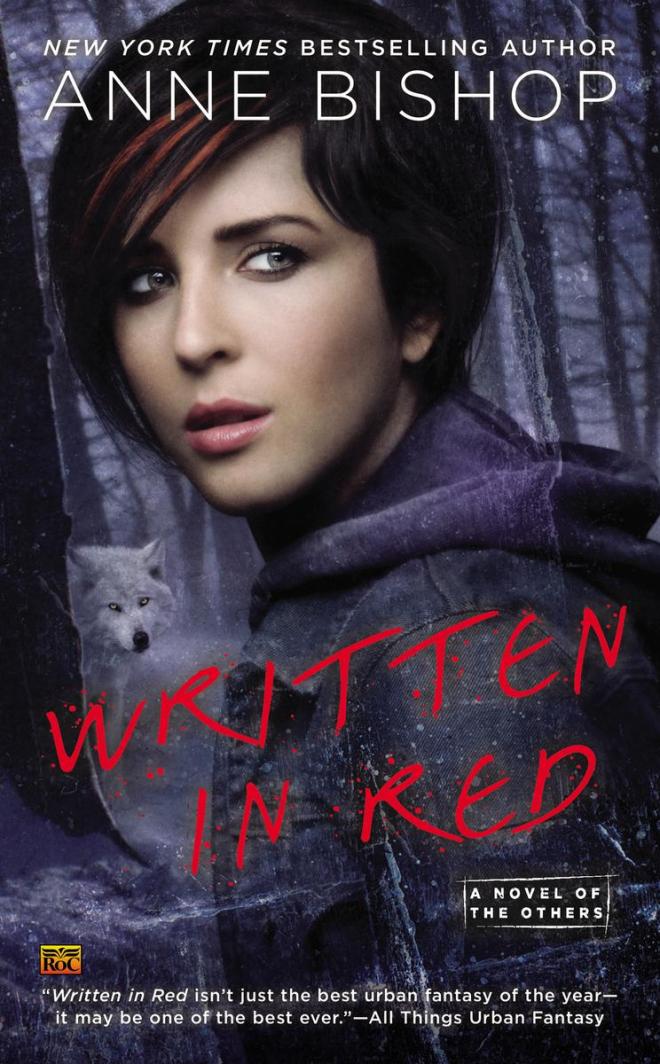
written in red.jpg
Written in Red, Book #1

Hopefully, this blog post will help me figure out what’s the appeal of The Others. Written in Red was the first book I’ve read that starts with an introduction that says the history of a fictional world. It basically says alongside humans there was another comparable top predator. Bishop refers to these other people as the Others, Earth Natives, or terra indigene. Well, the Earth Natives control the natural resources and humans make stuff. Everything humans have is basically rented or purchased from the terra indigene. One area in Europe is rightfully under human control without owing the Others anything.


I’ll dissect that idea here. The terra indigene are creatures that take on the form of other top predators they encounter. Most of them have a human and animal form. Some can become smoke. Others shift into the elements. And others can turn into anything at will. This relates to skinwalkers in our world, people of myth that can supposedly take the shape of animals. I equate the Others to Native Americans who have way more power due to their ability to be stronger and just as smart. What happens if the invaders or early explorers found people much more dangerous than themselves? Something very similar to the world of the Others happens.


This dynamic sometimes gets interesting. The clash between the Others and humans is always there in the background, but it isn’t that big in my mind. That dynamic has appeared a few times in other stories. Basically, every vampire and werewolf story is like that. I don’t really like that monster genre. Where the protagonist is a vampire or werewolf.


In the first book, Written in Red the moment that got me in was the nature of the cassandra sangue or blood prophet. Some girls and women have the ability to tell prophecies after they’re cut. That was new to this genre. After cutting, they speak and experience euphoria or hold it in to remember the vision and feel the pain of the cut. That euphoria bugged me for a little bit. I decided that was plain fiction. One such person, Meg is the protagonist of this story.


The combination of those two storylines effectively drives the story forward. Each book delves into a different aspect of those concepts. A series exploring the same facets of something in each book quickly grows repetitive. I haven’t read any adult series, but that makes sense based on the other series I’ve read.


Written in Red was about Meg escaping the compound and finding work with the Others. People like Meg, cassandra sangue were allowed to be held against their will by benevolent caretakers to help them survive their addiction to cutting and the euphoria. Those rules didn’t prohibit cutting the girls to make a profit by selling prophecies/cuts. Basically, the rich wanted that to continue, so they had their lobbyists pressure the government. Meg escaped one of those facilities. Most cassandra sangue weren’t exposed to the outside world so living outside was difficult.


Bishop adds new jargon throughout her books. I found that interesting as a writer. How should I introduce new words through fiction? The learning curve required probably wouldn’t work with how I write, but seeing it for real was something. The first one was A walk on the wild side, basically an intimate liaison between a human and a human form terra indigene.


The storyline was a group of mercenaries went after Meg at the courtyard of the Others. Meg’s visions alerted them to the attack. Premonitions are an effective way to drive stories forward. Each book has them in different lights. In Written in Red, Meg spoke aloud her visions and other people interpreted the few words she spoke. In the second book, Murder of Crows, Meg dreamed her visions first. After cutting, she held in the vision and did everything she needed to do to save the most people. The third book was frustrating. Vision in Silver didn’t show the full prophecies. The bits and pieces we got were impossible to decipher until it actually came true. Right now, I’m reading book four, Marked in Flesh. Meg uses cards to reveal prophecy and other cassandra sangue bolster her abilities.


murder of crows
Murder of Crows, Book #2

Murder of Crows is about two drugs, feel good and gone over wolf. Both are the same drug. The Others get feel good, a downer. Humans get gone over wolf, an upper for aggression and courage. Those drugs egged humans on to kill a group of Others that were shifted to Crows, hence the title. A group of people attack the Others’ courtyard like in book #1. Bishop made the similarity between the euphoria cassandra sangue felt and sexual pleasure. The villain drew me in. She was beyond convinced that the Others behaved like humans. A sexy body didn’t affect the others in any way. They didn’t find thin people appetizing, except in rare occasions. Her behavior was strange to them, and that cracked me up. I know I’m strange, hence the moniker radical.


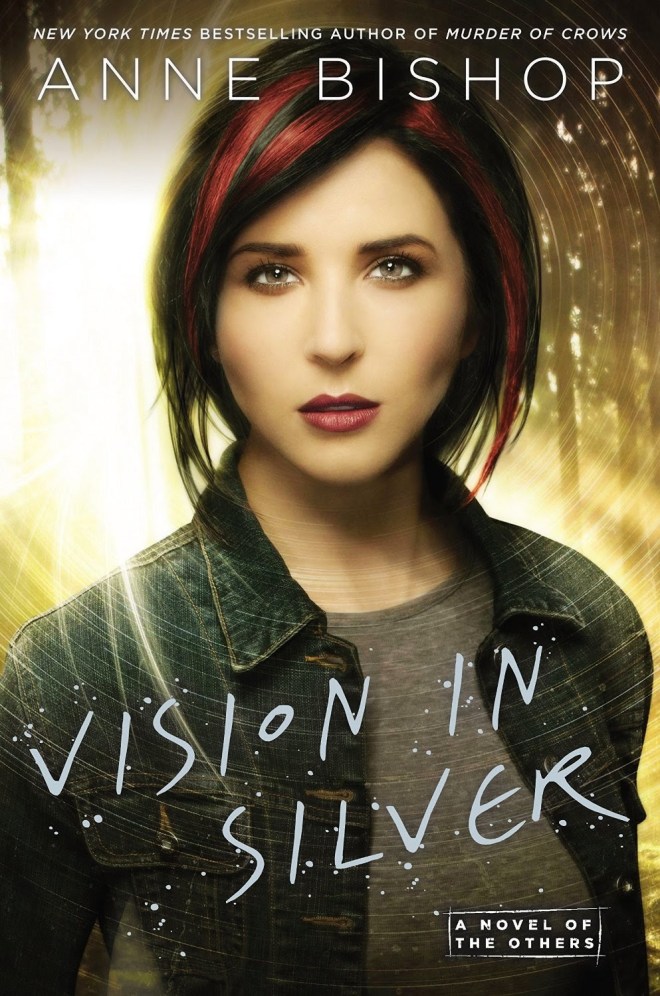
vision in sliver
Vision in Silver, Book #3

Vision in Silver was about finding a way for cassandra sangue to in live the outside world. The other plot was about the rising friction between the humans and others. Somehow jewels financing the human uprising got into the hands of the Others, and people wanted it back. The Others are more deadly than people can imagine.


marked-in-flesh
Marked in Flesh, Book #3

Marked in Flesh is the first real attack on the Others. The events leading up to and after the event are chronicled. You can guess what happens when a weaker force underestimates and attacks a stronger and more vicious force. Again, prophecy pushes the story forward.


A few things about the series bug me. The shifter story element seems all too familiar in this genre of urban fantasy. Sometime I should probably read the most successful series in this genre, The Twilight Saga. Haven’t had the pleasure yet, but eventually. The cutting experience is very different from reality in some ways and similar in others. Euphoria doesn’t result, and cutting isn’t as it seems in the book. Cutting is a response to some internal frequently psychological occurrence. A lot of unnecessary details are abundant. I doubt we need to read the characters changing between boots and indoor shoes every time they enter a building. The plethora of characters bugs me. It seems like in every book, a handful of characters just appear. If each character was new, dynamic, and transformative that would be something. The characters, except a few, seem like filler or a different name to use. Those flat characters aren’t even described frequently, externally or internally. Each book assumes you remember quite a lot about the characters, but the books come out months apart. I know a few books down the line, I’ll pull the ejection seat.


Anne Bishop does a few good things. There are a ton of subplots. Something is always going on. The descriptions of the buzzing, tingling, and prickling skin are effective as a divining rod to find the focus of a prophecy. Different characters are used as the point of view for different sections of the book, from chapters to a few lines. Meg’s battle with addiction is interesting, because it doesn’t exist exactly like that in real life. The basis is probably chemical addiction like smoking. I wish that so many Native Americans weren’t wiped out during the settlement of the world. The native people weren’t doing anything wrong, and we needlessly eliminated them in mass numbers. Maybe the world of the Others is how things could’ve been. The aspect of writing simply and getting complex ideas across interests me. Also, the way Bishop manages to put a sinister light on the most basic interactions.


The Others is a great series to read. Graham Kar.


GK

subscribe button

The Secret History Versus The Goldfinch

Recently, I finished reading The Secret History by Donna Tartt. It’s about a college student by the name of Richard Pappen going through the process of starting college at a remote institution. He finds a group of people and a subject that consumes him. In the end, they get involved with the murder a fellow classmate.


I read Tartt’s other book The Goldfinch a few years ago. I remember it fairly well. It’s about a boy, Theo Decker. The book starts with the death of his mother. The entire book is about Theo struggling to find a sense of normalcy in his life. Ultimately, he finds solace in what life has to offer.


Reading two things from the same author is something that helps me see how to improve my own writing. Seeing another writer’s progression suggests a way forward. My direction will probably be an amalgam of the authors I like best. I thought a lot about the differences and everything the author carried across both books.

mingwei-li-270198.jpg
Photo by Mingwei Li on Unsplash. Picture enhancements by Graham Kar.
Both protagonists are chronic malcontents. They’re unhappy in their lives. They cling to fictional versions of everything that has happened to them. Richard lies to everyone about his life back home in Californa. Theo clings to the remnants of his perfect life with his mother, in any way possible. That has do with the way they romanticize the lives of others and the past.


Romanticizing something imbues it with qualities that are rarely apparent when something actually happens. I think of romanticizing the past as embellishing it to feel some comfort that wasn’t there in the moment. Seeing the lives of others as better, whether that’s the truth or not, feeds into the self-fulfilling prophecy that your life sucks. Digging a well of self-pity rarely gives you a good feeling. I’ll admit this opens up a lot story possibilities. And sometimes that, above mentioned thought process strangles us. That’s where these stories start. Then something shakes everything up. Richard is always in that strangling thought process. Theo is too young to be disaffected without something going catastrophically wrong, the death of his mother.

daniel-pascoa sun through clouds
Photo by Daniel Páscoa on Unsplash. Picture enhancements by Graham Kar.

Frequently, Tartt casts characters with a dreamy air. Characters like Pippa and Camilla, as well as scenes. Sleepy in an ethereal light. That’s done with a few different elements. Elements like cigarette smoke, drawn shades, night time, dense fog, pure light, and drug induced states. That lends a slight fictional air to the proceedings, like lightening in Frankenstein. The environment lends a sense to what’s about to happen or has already happened. A drugged daze when the character feels lost. Cold when the character feels alone. Dream-like sights for the people we love romantically. A straight forward translation of a dreamy woman or guy. That nonetheless adds a unique dimension to her stories. The pictures and events described are picturesque and always interesting. Making the scenes simple wouldn’t work very well to translate the protagonist’s mindset. Saying a character is stuck with their head in the clouds isn’t the same as making it felt on nearly every page. Might I point out that this is very similar to how writers see the world. We examine mundane events to shed light on the human experience. It’s fascinating to see the part Tartt shares with us.


The protagonists love the unattainable. Pippa or Camilla depending on the book is the one Theo or Richard love. Not exactly them as people, but they fall in love with the idea of them. Theo is attracted to his first love and the possibility that if everything was different, they could be together. Richard loves the woman who is incapable of loving him. Camilla is in love with the strength of another. “We love in others what we most lack.” Richard H Stoddard.

arnaud-mesureur woman blue blonde glasses librarian
Photo by Arnaud Mesureur on Unsplash. Picture Enhancements by Graham Kar.
Richard dreams of Camilla and is dissatisfied with any other person. Theo knows it’ll never work with Pippa. They are broken in much the same way, and that can never work. Love of the unattainable is a continuation of their malcontent mindset. As you can probably tell, I’m masking a slight disgust and jealousy throughout this post.


The protagonist goes through the daily motions of life wishing for more. Theo attends school despite the turbulence in his life. He finds a job despite his obstacles. He gets engaged and on. Richard faithfully completes his assignment. He misses classes every now and then, but things work out. They find a way to keep from worrying, so the actual story has time to play out.


Drug high states are used for dramatic effect. That contributes to the dreamy quality present throughout the books. The descriptions of their experiences are interesting to read. I wonder how factual they are. It would be not that difficult to write from research and fictionalizing the rest. I suspect that everyone’s reaction would be slightly different. And drugged out experiences can be found if you look for it, as with probably everything these days. The characters take uppers, downers, and psychedelics throughout. The Secret Histroy features smoking and drinking. Theo does a ton of drugs with his friend Boris.


I’ll highlight a few differences. I really didn’t pay much attention to this while reading. The Secret History takes places during two years of Richard’s college existence. Identifying the time setting was tricky. It happened sometime be 1978 and the 1990’s. The Goldfinch follows Theo from middle school through to adulthood. It happens very close to the present at the end. Richard experiences guilt, and Theo deals with grief. Both of them never feel they fit in where they are. That’s something I’ve felt, and I really struggled to find my place in this world. When I started writing, that feeling waned a little. The more I pursue it, the more it feels more like I’ve found my place.

andrew-preble-187062
Photo by Andrew Preble on Unsplash. Picture enhancements by Graham Kar.

Hampden College, the setting of The Secret History is as far from New York, Las Vegas, Amsterdam as you can get. The Goldfinch goes on in Greenwich, NY, a suburb of Las Vegas, and Amsterdam. The Secret History is more action based but sometimes feels like a series of conversations in dream-like space. The Goldfinch is entirely internal with everything else taking a backseat. Richard, the protagonist of The Secret History tries finding the best path forward to achieve his goals despite everything thrown in his way. Theo accepts that his life will never be as he has expected. He has basically given up because he was broken at such a young age. Theo does his best to gain the approval of others. When he goes after his own ends, things backfire.

roberto-junior-270326
Photo by Roberto Júnior on Unsplash. Picture enhancements by Graham Kar.

I enjoyed reading both books. Any fan of literary should read them, if you haven’t already. Their experiences shed light on what we have going for us. The stories are superb works of fiction, and say something as it was never said before. The Secret History and The Goldfinch.

 

Title photo credit: Shiro hatori on Unsplash


GK

subscribe button